
Denny’s New Pancake Rebrand: Food Porn or Something More?
Last week, Denny’s switched from stacks of limp, just-add-water pancakes to “50% fluffier” buttermilk pancakes, made with “real” ingredients and complete with a food porn aesthetic. Why?
Last week, Denny’s switched from stacks of limp, just-add-water pancakes to “50% fluffier” buttermilk pancakes, made with “real” ingredients and complete with a food porn aesthetic. Why?

My research, writing & media mentions explore food, the body, health, and identities in contemporary U.S. media and popular culture. I’m Associate Professor of Media Studies at The University of Tulsa, where I live in community with students as Faculty in Residence.
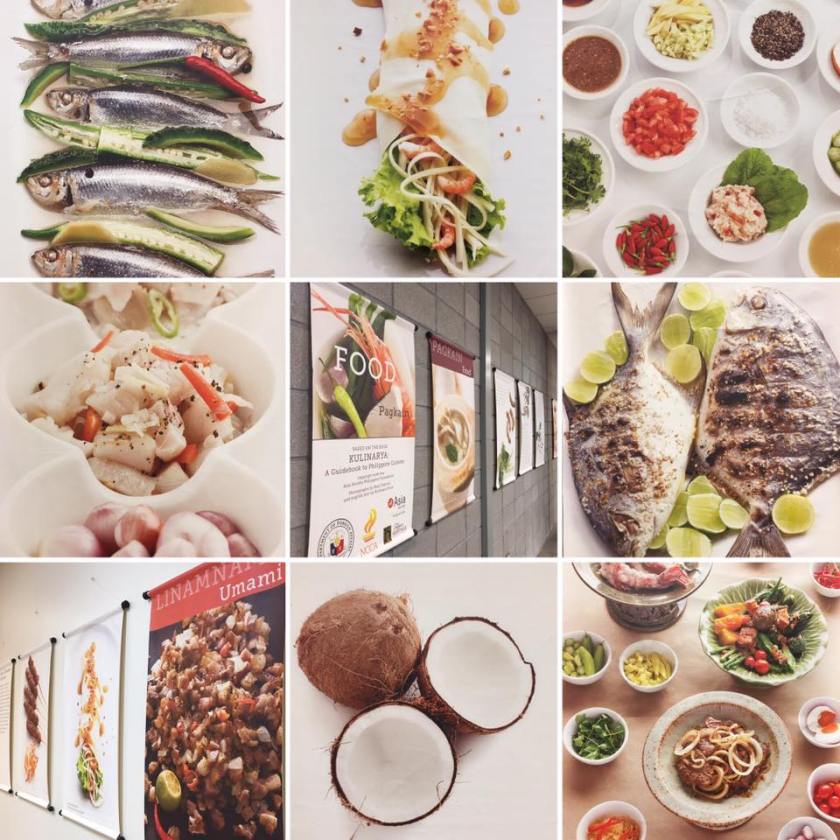
Food studies presentations, roundtables, workshops, kitchen labs, field trips, tastings, exhibits, posters, dine arounds — the Association for the Study of Food and Society (ASFS) offered all this and more at University of Toronto Scarborough. Drawing more than 550 registrants from around the world, this year’s meeting was especially dynamic, involving ASFS along with Agriculture, Food and Human Values Society and Society for the Anthropology of Food and Nutrition — and for the first time, the Canadian Association for Food Studies. University of Toronto Scarborough — and its students, faculty, community, and scholarship — each embodied the conference theme: “Scarborough Fare: Global Foodways and Local Foods in a Transnational City.” Take for example SALT, a mobile resource developed by the Culinaria Research Centre at UTSC for not only finding tasty eats, but learning more about Scarborough’s immigrant communities. Or check out the digital food studies project, “Mapping Scarborough Chinatown.” And if you’re in Toronto, Culinaria’s teaching kitchen laboratory; the Philippine Food Exhibit sponsored by the Philippine Consulate General of Toronto, Canada; and the Place Settings: Diasporic Food Identities exhibit at the Doris McCarthy Gallery are …

Last week, I presented at a history of nutrition conference that took place on San Servolo, a small island about a ten minute boat ride off of Venice that for more than two hundred years housed an asylum. San Servolo proved a most fitting and inspiring setting for the Dietary Innovation and Disease in the 19th and 20th Centuries conference. We heard the lapping waters of the Venice lagoon, felt its cool breezes, and even saw a cruise ship or two pass by, all while listening to thought-provoking paper presentations at an academic conference. Co-organized by David Gentilcore and Matthew Smith, the well-executed event brought together thirty scholars from across the world, all working to unpack today’s nutrition issues through the study of dietary innovation and health in the past. As for me, I presented some of my new work on Fairlife milk, an “ultra-filtered” lactose-free milk with more protein and calcium and less sugar than “ordinary milk,” that just so happens to be distributed by Coca-Cola. Fairlife is a textbook example of what Gyorgy Scrinis calls “functional nutritionism,” in which the food industry seeks …

Food studies is an ever-expanding field with an increasing number of discipline specific and related peer-reviewed journals. As you seek out the right “home” for your food studies scholarship, consider this list of peer-reviewed publications, organized alphabetically. Please note that this list was originally compiled in June 2016 and all links were updated in September 2019. The last update was made in June 2021. I endeavor to keep the list up-to-date, adding journals as folks alert me to them, but if you find something amiss, please feel free to comment or send me a note! Agriculture and Food Security is an open-access journal that addresses global food security with a particular focus on research that may inform more sustainable agriculture and food systems that better address local, regional, national and/or global food and nutritional insecurity. The journal considers contributions across academic disciplines, including agricultural, ecological, environmental, nutritional, and socio-economic sciences, public health, and policy. Agriculture and Human Values is the journal of the Agriculture, Food, and Human Values Society. The journal publishes interdisciplinary research that critically examines the values, relationships, conflicts, and …

I’m thrilled to share my students’ final project, an e-journal that culminates our course, “Food and Gender in U.S. Popular Culture,” at Brown University. In this seminar-style course, twenty students (mostly in their first and second years of study) completed four main writing assignments — a cookbook analysis (which I blogged about here), a mini media exhibit, an interview profile, and a restaurant review — all of which engaged the themes of food and gender. For the final project, students worked to revise one of these assignments for inclusion in the class e-journal. We invite you to start with the About page to learn more about the class and our writing. As you will read, these writing assignments expect (and deliver!) clear and sophisticated argument, as well as what we called “compulsively readable” prose. Course readings included not only academic food studies texts, but also a full serving of food writing, providing a taste of different styles and formats. Throughout the semester, we aimed to craft not only compelling thesis statements, but also at least one “aspirational sentence” …

Yesterday, Anheuser-Busch announced plans to rebrand Budweiser as “America” from late May through the November elections. Citing upcoming events like the 2016 Olympic Games, the Copa América soccer tournament (which will be held in the US for the first time), and the fall’s presidential election, Ricardo Marques, a vice president at Budweiser, declared it will “probably the most American summer of our generation.” It’s an event that Anheuser-Busch is keen to capitalize upon, though the invocation of “our generation” is interesting as “Millennials” (if we even exist as something more than a marketing category) are some of the least likely consumers to be purchasing packs of “America” this summer. Relatedly, Anheuser-Busch aims “to inspire drinkers to celebrate America and Budweiser’s shared values of freedom and authenticity.” This latter value seems particularly contentious given the ever-increasing market share of craft beers, which trade upon (perhaps equally constructed) notions of authenticity, identity, and lifestyle. Budweiser has directly targeted this tension, as their 2015 Super Bowl spot and subsequent ads throughout the year spread a distinctly anti-craft message, which can’t be separated from the brand’s subsequent claims to Americanness. Anti-craft messaging aside, this rebranding of a national …

As its website states, Render: Feminist Food & Culture Quarterly works in every issue “to spotlight all the badass women who are making waves within the persistently male-dominated food industry.” These efforts “to smash the patriarchy in the food industry” are important for all of us, as readers, thinkers, and eaters. It’s why I renewed my subscription and contributed to Render’s Kickstarter, which ends on May 4. I’m not part of the Render team, but as pledges currently fall short of their goal, I wanted to offer these few words of support, because these issues have been top of mind for me lately. In our course, “Food and Gender in U.S. Popular Culture,” my students and I have discussed and pondered, sighed and screamed about not only the continual under-representation of women in the food industry and the media that covers it, but also about how the icon of the celebrity chef — constructed as white, male, and straight — is a cultural figure that by its very nature subordinates every other identity within the industry. This particular construction of the celebrity …

Update: Like too many treasured local restaurants, Lilac was forced to close during the Covid-19 pandemic. I leave this story up as a tribute to a special restaurant, its chef and owner Jeremy Engebretson, its staff, and the food scene of my hometown. // Montana is called “the last best place,” a long-cherished refrain that applies now more than ever to its increasingly innovative restaurants. Here, beneath an expansive blue sky, diners can taste not just Montana ingredients, but the spirit of the state itself. Expressed through food, the Montana identity values the land and landscape, direct communication and unpretentiousness, affordability and responsibility, and an ironclad sense of character—in ingredients, dishes, cooking technique, and people too. Nestled in the Yellowstone River Valley beneath breathtaking sandstone cliffs, Billings is the largest city in the state, where I grew up, and home to Lilac, a restaurant that has earned local adoration and national accolades. Just a year after it opened in 2012, Lilac was the only restaurant in the state to be included in OpenTable’s Diners’ Choice Award …
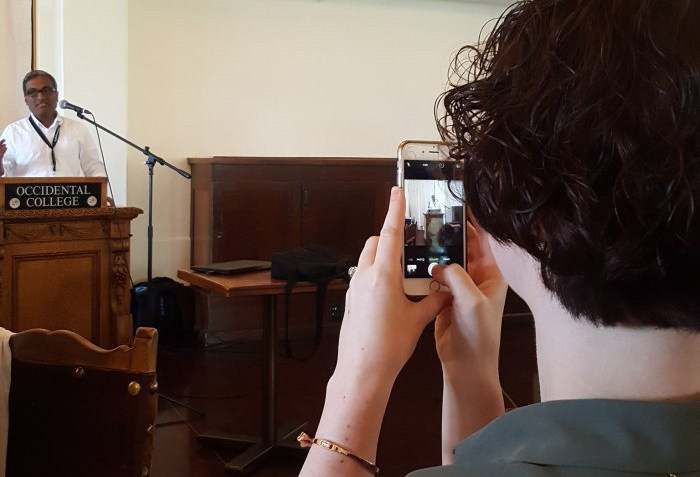
I attended several fascinating panels at the 2016 OAH Annual Meeting here in Providence this past weekend (check out #OAH2016 on Twitter), and also learned some very helpful lessons from “Navigating Social Media and Traditional Media,” organized and chaired by seasoned publicist Sarah Russo. (She also shared her social media knowledge at least year’s OAH on the panel, “Media Training for Historians,” which you can watch here). Her three fellow panelists at this year’s conference were: Clay Risen, Senior Editor, Op-Ed page, New York Times Max Larkin, Producer, Radio Open Source with Chris Lydon Donna Harrington-Leuker, Professor of Journalism and Social Media, Salve Regina University Here are the top five things I learned about how academics can be accessible public intellectuals on social media, which is increasingly becoming part and parcel of what we do: Best social media platforms for academics: Twitter to amplify, Medium to develop portfolio of pieces w different voices/audiences. #OAH2016 — Emily Contois (@EmilyContois) April 9, 2016 Advice from @jmlarkin: Maintain an authentic, concrete digital footprint so media can find you. #OAH2016 #oah16_216 — Emily Contois (@EmilyContois) April 9, 2016 Need …

How do cookbooks speak? What stories do they tell—and whose? What do cookbooks reveal about power and how it operates? How do cookbooks communicate and construct gender? These are some of the questions my students and I have pondered lately in our course “Food and Gender in U.S. Popular Culture” at Brown University. For our first assignment, students analyzed how cookbooks prescribe and transgress conventional gender roles. A uniquely interdisciplinary field, food studies scholarship often employs various methods, but the close reading of cookbooks is one method that approaches universality. I’m working with a thoughtful and engaged group of 20 mostly first- and second-year students. While most had read and used cookbooks for cooking, few had previously considered them as elements of popular culture, as valuable historical evidence, as prescriptive literature that shape notions of gender, or as sources in which the so-often-silenced voices of women and people of color can be heard. In an effort to fully scaffold and support our work with cookbooks, we first did some reading. While there are many incredible texts I could have assigned, we read from: Jessamyn Neuhaus. …
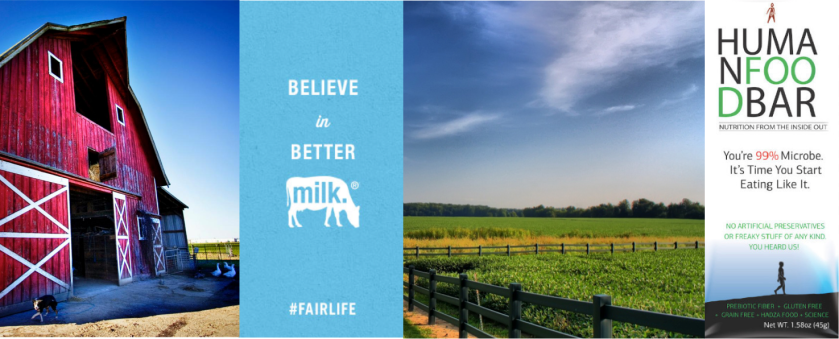
If you engage critical nutrition studies in your work, my colleague Stephanie Maroney (PhD Candidate, Cultural Studies, UC Davis) and I welcome your submissions to join our panel submission to the ASFS/AFHVS/CAFS conference to be held June 22-26, 2016 in Toronto. The panel, “Interrogating Nutritionism and Dietary Science in Novel Food Products,” examines the discursive effects of the marketing for two novel food products: FairLife Milk (Emily) and the Human Food Bar (Stephanie). The panel explores the relationship between the cultural values that animate these advertising messages and the scientific research that supports these products. Drawing from the field of Science and Technology Studies, critical studies of nutrition recognize and reveal the ways that scientific knowledge is not neutral, natural, or objective – rather, it is co-constituted alongside sociocultural values and beliefs. By looking at the history and politics of dietary advice, we can better explain and account for the assumptions that structure contemporary nutrition science and the marketing claims used to differentiate products in our health-centric culture. We seek additional papers that critically examine …

When I was preparing for my preliminary exams, I had a friend warn me that after reading 300-or-so texts, the thought of picking up another book would make me feel physically ill. While there were certainly moments when I literally couldn’t stand reading another word, I’m pleased to share that I not only passed my exams in November, but am still hungry for more. I’ve been browsing the food studies titles that have come out recently, and here are six that I’m looking forward to reading: 1. Kate Cairns and Josée Johnston. Food and Femininity. New York: Bloomsbury Academic (September 2015). 2. Kima Cargill. The Psychology of Overeating: Food and the Culture of Consumerism. New York: Bloomsbury Academic (October 2015). 3. Deborah A. Harris and Patti Giuffre. Taking the Heat: Women Chefs and Gender Inequality in the Professional Kitchen. New Brunswick, New Jersey: Rutgers University Press (May 2015). 4. Julie Parsons. Gender, Class, Food: Families, Bodies, Health. Palsgrave Macmillan. (September 2015). 5. Toni Tipton-Martin. The Jemima Code: Two Centuries of African American Cookbooks. Austin: University of Texas Press. …

I’m thrilled to have written a few entries in the newly published Savoring Gotham: A Food Lover’s Companion to New York City, edited by Andrew F. Smith. As I flip through this tome—brimming with stories about Gotham’s notable foods and beverages, restaurants and bars, historical sites and events, cuisines, personalities, and brands from throughout the city’s five boroughs—one of my favorite entries so far is on Edward Hopper’s paintings of New York City food life. Depicting at times eerily quiet moments with minimal action between human figures, Hopper’s subject matter often drew from urban sites of quotidian America life, including food spaces—modest restaurants, automats, coffee shops, and chop suey joints—which Hopper frequented often with his wife. His paintings use these culinary locales, however, to express the common themes that mark his body of work: anonymity, anxiety, pensiveness, loneliness, and isolation. Hopper’s work critiques the promises of an abundant, fast-paced, cosmopolitan life in the big city, showing how the easy availability of food and drink at all times of the day and night might not lead to contentment. Instead, it fosters dissatisfaction and unease. More isn’t better. …

Look no further for groundbreaking scholarship, throught-provking book reviews, and stirring art from emerging scholars. The third issue of the Graduate Journal of Food Studies (volume 2, no. 2) is now live online. The issue starts with editor-in-chief Carla Cevasco’s insightful letter, “I hate food puns,” which urges us all to refrain from foodie figurative language in an effort to bolster the intellectual foundations and popular perceptions of our field. Gone be the “food fights,” “seats at the table,” and, sigh, “food for thought.” I especially love her assertion that these phrases make food studies appear “fun” and approachable, but in the end, “Food studies should not be easy.” Our topics may be quotidian. That’s what makes them powerful and meaningful. Our conferences and events may consider eating and drinking primary. That’s experiential learning and intellectual embodiment, purposeful commensality and mindful consumption. Our work speaks to students and the public. That’s how our field will continue to expand and survive. Food studies is not a passing fad nor a field of inquiry with soft edges. As Carla argues so well, its acuity …
 Emily Contois