
What Is Food Studies?
In my editor’s note in the fifth issue of the Graduate Journal of Food Studies I considered how to define food studies, particularly during our current political climate.
In my editor’s note in the fifth issue of the Graduate Journal of Food Studies I considered how to define food studies, particularly during our current political climate.
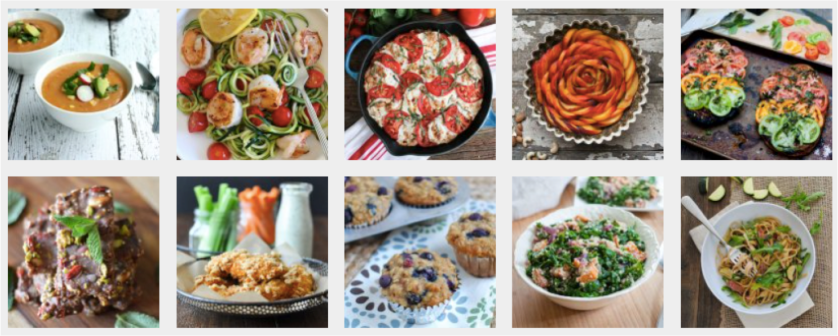
I’m delighted to share a recent publication, which considers the knowledge and hyper-feminine identities produced in a sample of healthy food blogs.

Food studies could learn a lot from a similarly burgeoning and interdisciplinary field: food design. I did at the 3rd International Conference on Food Design.

As our current political moment incites numerous protests and with them a new archive of protest posters, Megan Elias has begun a public history project—Dishing it Out: Food-Themed Protest Posters—to archive these political ephemera.
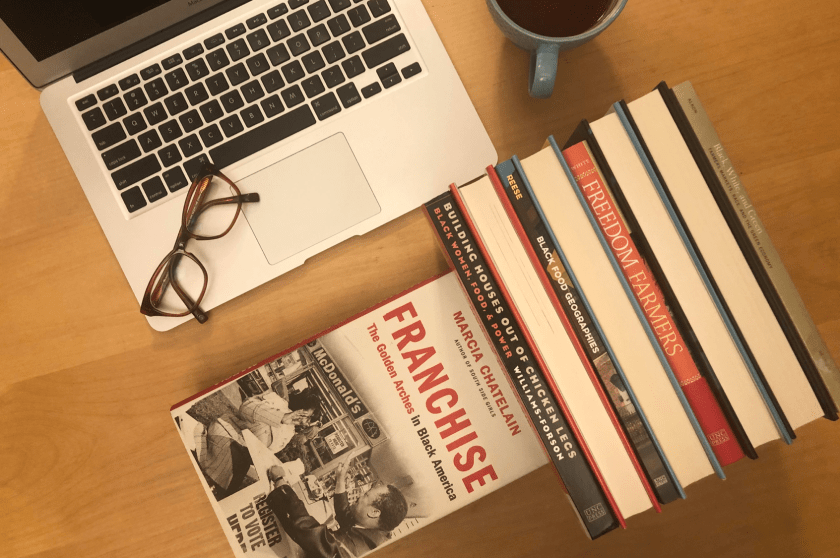
Food studies books addressing African and African American foodways represent a rich, important, and growing area of food studies research. Here are 73 books for your reading list.
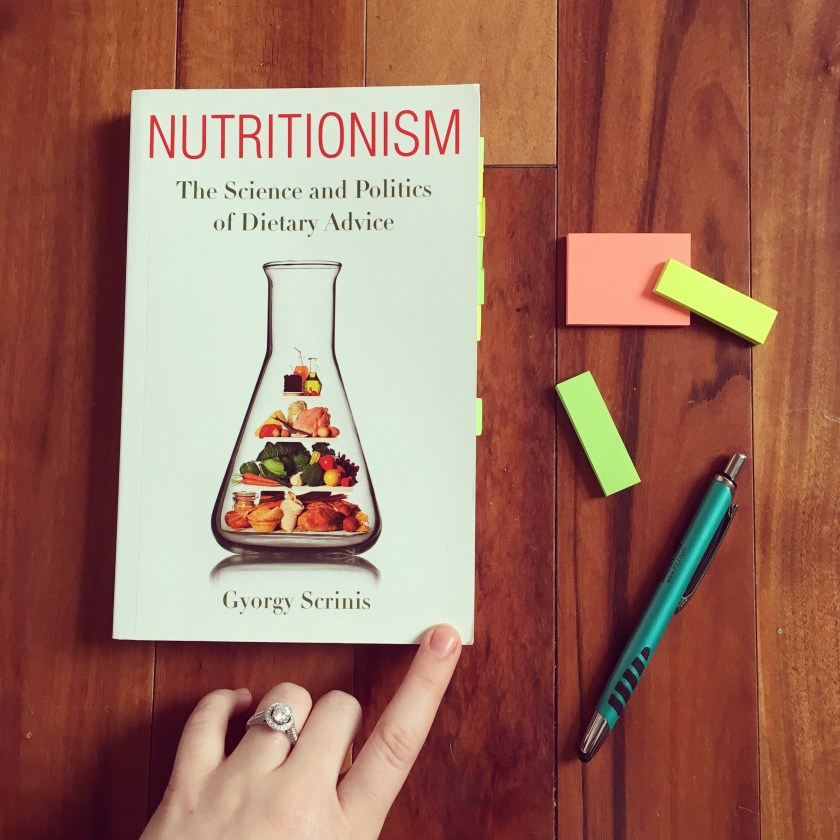
Gyorgy Scrinis argues that the corporate food industry has captured, appropriated, and co-opted the discourse of nutritionism in their product development and marketing.
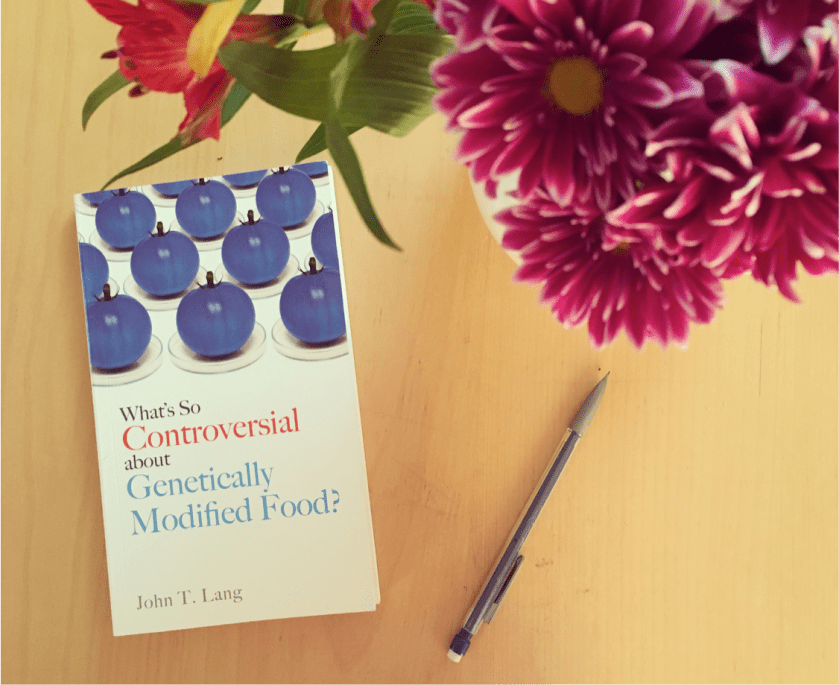
John Lang will present a Food Studies at Brown lecture on Friday, December 2 from his recently published book, What’s So Controversial About Genetically Modified Food?

My book Diners, Dudes & Diets: How Gender & Power Collide in Food Media & Culture will be published in fall 2020 by the University of North Carolina Press. Analyzing pop culture like dude food and the dadbod, Diners, Dudes & Diets tells an insightful and contemporary story about food, health, media, and the contest for our identities. During and after the Recession, gender norms shifted in American culture, resulting in a moment of gender crisis that opened the door for industry to target men in new ways. I reveal how the food, media, and advertising industries used the concept of “the dude” to sell feminized products to men. Brands deployed the dude to sell everything from men’s cookbooks and Guy Fieri to diet sodas, yogurts, and weight loss programs. I demonstrate how twenty-first-century gender crisis played out through food—and how understanding that process might help all of us to find more joy and justice in our media lives.
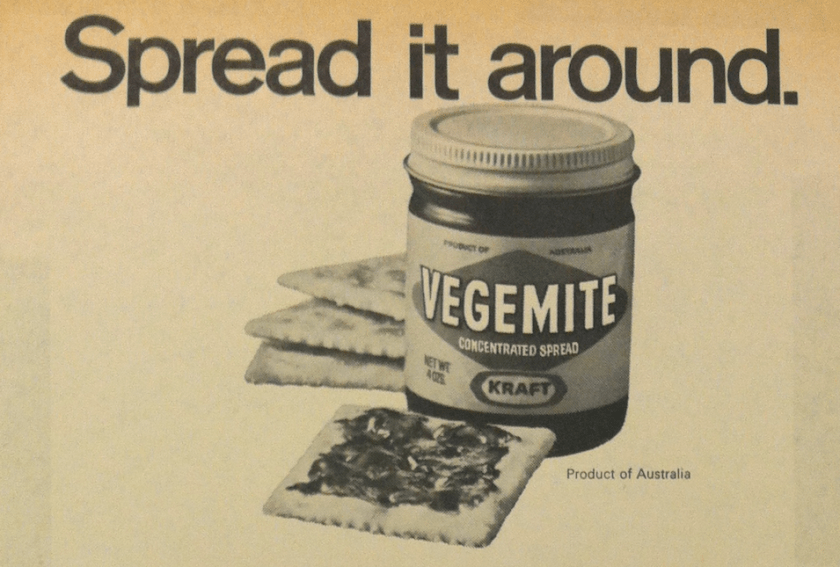
My recently published article uses Vegemite as a case study to examine the cultural contexts in which advertising fails and triumphs, as well as the marketing process by which brands become icons, or not.

I’m celebrating National Cookbook Month with some of my past writing on cookbooks as texts, technical guides, objects, ephemera, historical evidence, collector’s items, keepsakes, family heirlooms, art, and symbols.

Third wave coffee continues to rock the coffee scene across the country. And here in RI you can find Cooper’s Cask Coffee, where single-origin beans are paired with the subtle, sweet notes of award winning whiskeys from Sons of Liberty Spirits.
We at the Graduate Journal of Food Studies are delighted to present our fourth issue (volume 3, no. 1), which features five original research articles that were first presented at the GAFS Future of Food Studies Conference in October 2015 at Harvard University.

How do we experience taste when we eat a Michelin-starred dinner, an all-star diner breakfast, or a can of chicken and stars soup? Nicola Perullo nimbly endeavors to answer this question in Taste as Experience: The Philosophy and Aesthetics of Food, published in April 2016 by Columbia University Press.
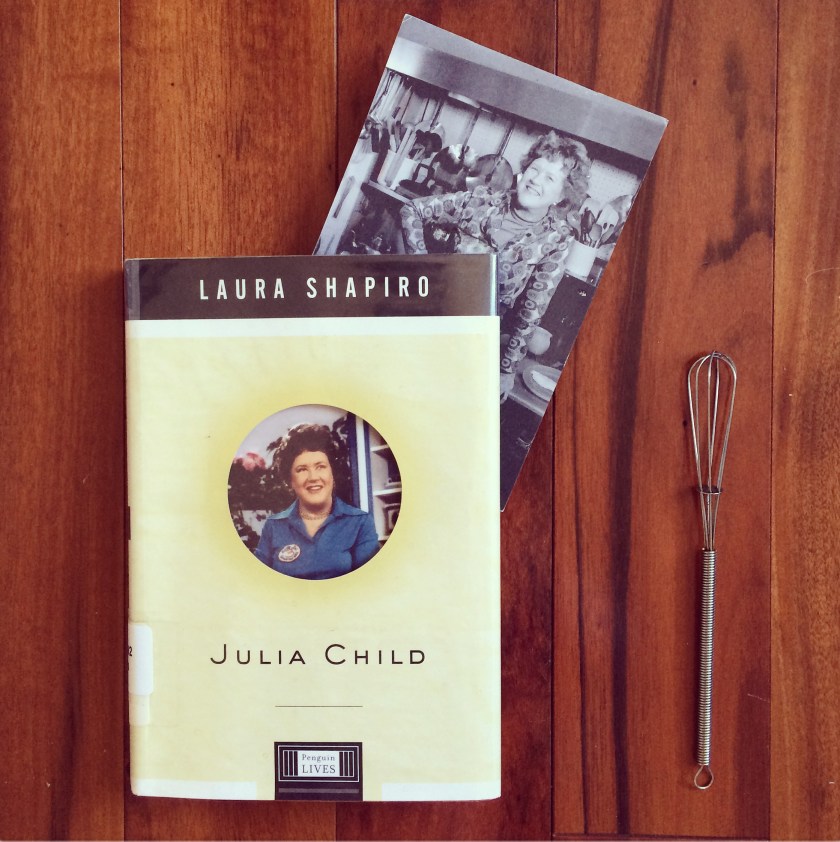
Born in 1912, Julia Child would have celebrated her 104th birthday today. I never got to meet Julia; she died in 2004, just two days shy of her 92nd birthday. But I’ve felt her spirit. With Jacques Pépin, Julia co-founded the MLA in Gastronomy Program at Boston University, which began offering courses as early as 1991. It was one of the first graduate programs for the study of food, which Julia and Jacques adamantly believed in. In those early years, Julia defended the burgeoning course of study in the the New York Times, saying: There’s a lot more to the field than cooks piddling in the kitchen. It’s high time that it’s recognized as a serious discipline. Every matriculating BU Gastronomy student feels a connection to Julia’s legacy, her lineage. I started my degree in Gastronomy in 2011, but Julia was still there. For instance, the demonstration kitchen was built for Julia’s estimable height, making the counter and cooktop higher than standard, and a bit of a stretch for we shorter folk. Her sturdy metal stool resides in the room as well, a memento of her, and …

I’m pleased, thrilled, delighted, [insert enthusiastic verb!] to present the new Graduate Association for Food Studies website, which I had the pleasure of building with support from my colleague and friend, Brad Jones. The new website features our now fully digital Graduate Journal of Food Studies. While the Journal has always been open access and available as a beautifully designed PDF, we are excited to move the journal into its next stage, where we endeavor to lead the way in online publishing with food studies scholarship that is peer-reviewed, rigorous, engaging, and decidedly interdisciplinary, as well as gorgeous, flexible, and sharable. With these goals in mind, we’re also launching a new section of the Journal called Food-Stuff, which invites a variety of food studies scholarship outside of the traditional academic article. Food-Stuff pieces may take the form of field notes, archival reports, commentaries, interviews, and photo essays. We also welcome proposals for additional creative formats. On the new website, you’ll also continue to find information about GAFS, our membership benefits, and how to join the premiere international graduate student …
 Emily Contois