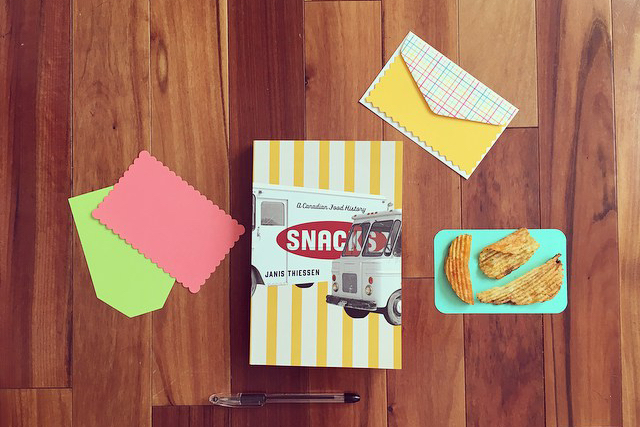
Q&A with Janis Thiessen, Snacks: A Canadian Food History
Combining food and labor history, Janis Thiessen tells the stories of independent Canadian producers of chips, chocolate, and candy.
Combining food and labor history, Janis Thiessen tells the stories of independent Canadian producers of chips, chocolate, and candy.

I’m thrilled to announce I’m now writing for Nursing Clio! My most recent essay explores retro microwave cookbooks alongside today’s mug cake trend.

In “Food in American Society and Culture,” we ask and work to answer the polemic, complex, and contradictory question, “How do we define American food and how does food define Americans?”

Medical historian Andrew Ruis shares from his new book on the local origins of school lunch in the U.S. in the early 20th century with lessons for today’s debates.

S. Margot Finn’s new book asserts that today’s foodie mania is the result of class anxiety, not culinary enlightenment or decline, with fascinating comparisons to the Gilded Age.

The blog is turning five! Here’s five more reasons why I blog, and why other academics should too.
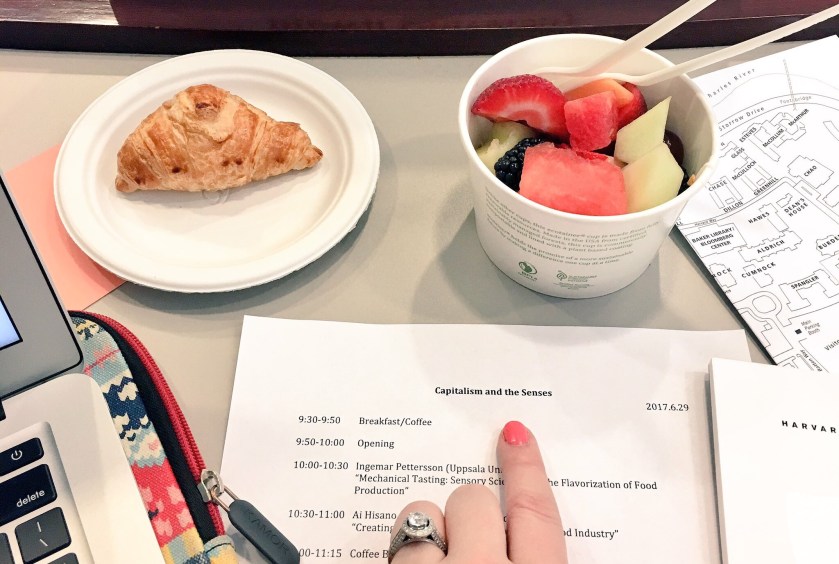
The Capitalism and the Senses workshop considered how the market has historically manipulated sight, sound, touch, taste, and smell.

#OXYFOOD17 was a truly great food studies conference full of groundbreaking scholarship, fellowship, and California sunshine.
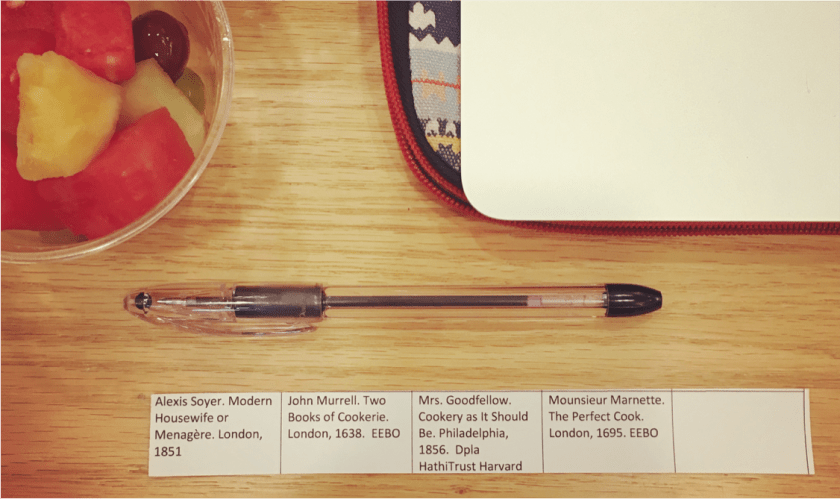
Drawing from hundreds of cookbooks from 1390s-1920s, the Reading Historic Cookbooks seminar taught participants to listen to the voices in these texts.
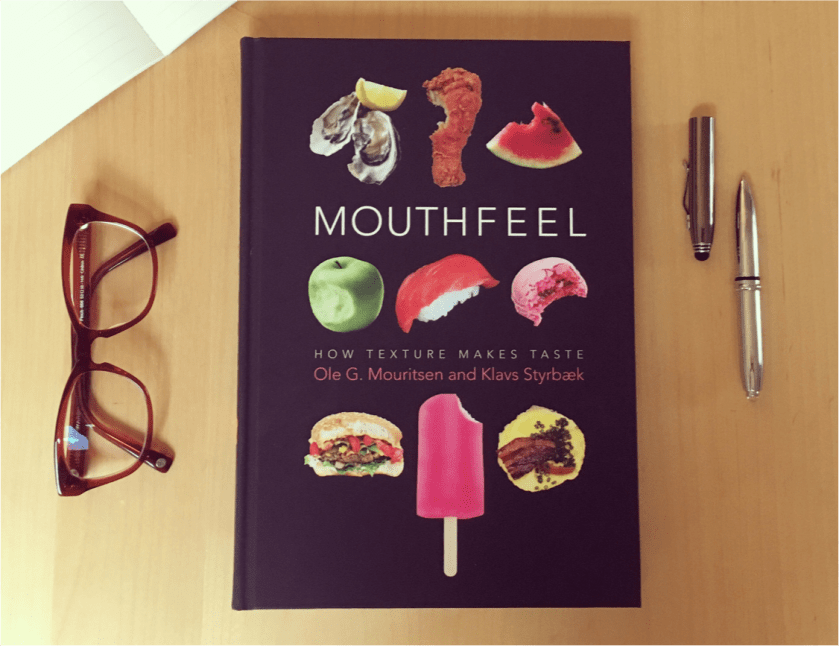
Whether crispy, creamy, or juicy, texture makes taste. Changing a food’s texture can also remake its taste—to eaters’ detriment or advantage. These gastro-scientific transformations have significant consequences when considering how to make healthy diets interesting, challenging, tasty, and appealing. These are the insights of Mouthfeel: How Texture Makes Taste, a new book published in February 2017 by the Danish team of molecular biophysicist, Ole G. Mouritsen, and chef, Klavs Styrbæk, who wrote together Umami: Unlocking the Secrets of the Fifth Taste in 2015. Mouthfeel was translated into English, revised, and adapted for a broader audience by Mariela Johansen. The final product from Columbia University Press is a beautifully executed text packed full of relatively accessible food science, stunning full-color photographs, and thought-provoking recipes. Fans of Gordon Shepherd’s Neurogastronomy: How the Brain Creates Flavor and Why It Matters (also from Columbia University Press) will find much to love and think with in Mouthfeel, and with a welcome focus on the culinary. Of interest to me as researcher in food studies and critical nutrition studies was Mouritsen and Styrbæk’s assertion that foods that engage all of our senses provide not only gastronomic pleasure, but also a potential …

Addressing sport, identities, health, media, access, and justice, this conference provided good thinking for my own work on gender, food, and media.

This event delivered a complex, layered, and expansive view of the challenges facing workers throughout the U.S. food system—and what we as academics, citizens, and eaters can do to help and advocate for change in these areas.

This panel addressed the challenges and opportunities for colleges and universities to intervene in food waste, recovery, and insecurity throughout RI.

I argue that Weight Watchers constructs gender by upholding strict binaries and making limited types of self available to women and men through depictions of food, the body, and technology.

I wondered how students exposed to critical nutrition studies might view food advice differently and reimagine dietary guidelines. This is what happened.
 Emily Contois